
NPATHS Curriculum
The NPATHS curriculum is a comprehensive 9-month journey designed to equip nurse scientists and allied health professionals with the skills needed to conduct and disseminate rigorous research that explains and provides solutions for differences in health outcomes across individuals and populations.

This experiential learning program includes three main components:

Immersive Intensive hosted in Detroit, MI

Interactive Online Modules & Monthly Webinars

One-on-One Mentorship Experiences
Intensive
The program begins with a 4 day intensive hosted in Detroit, Michigan. This immersive experience fosters community, encourages collaborative learning, and provides a safe space for discussing complex and critical topics to improve healthcare for all patients.
During this week, participants engage in…
Lectures and Keynotes: Experts deliver foundational knowledge on important determinants of health, research frameworks, and concepts relevant to improving healthcare for all.
Panel Discussions and Working Groups: These sessions cover topics like healthcare access, housing and food security, and leadership in public health and nursing.
Project Development: Scholars will start drafting a specific, measurable, achievable, relevant, and time-bound (SMART) goal for their program deliverable, with feedback from faculty and peers.
Online Modules
Following the intensive, participants engage in a series of online, self-paced learning modules coupled with monthly live webinars. This hybrid format allows for deep exploration of key SDOH topics while maintaining flexibility for participants. Modules cover essential research skills, including:
Designing Qualitative & Mixed-Methods Studies: Instruction on qualitative and mixed-methods approaches in SDOH research.
Understanding Implementation Science: Overview of Implementation Science and how to incorporate into study design and data collection.
Community Health Research: Introduction to systems dynamics modeling and review principles of community based participatory research.
Health Policy: Provides a health policy overview and discusses policies relevant to healthcare.
Research Funding, Dissemination, and Advocacy: Guidance on securing funding for SDOH research, review of how to get your work published, and using data to advocate for improving population health.

Mentorship, Project Deliverable & Scholar Summit
Throughout the program, NPATHS Scholars work with mentors to identify a program deliverable. Mentorship offered through the program is meant to support scholars in creating impactful deliverables that align with their career stage, such as research-focused products (e.g., specific aims, concept paper), conference abstract, poster, or draft manuscripts. This component emphasizes skill building in research design, data analysis, and dissemination. Each Scholar will present their program deliverable via a presentation at the Scholar Summit.
The scholar summit provides an additional opportunity for in-person networking and collaboration and celebrates the achievements and learning over the program duration.
The summit will be held in late-March or early April and offered in hybrid format.


Curriculum Timeline
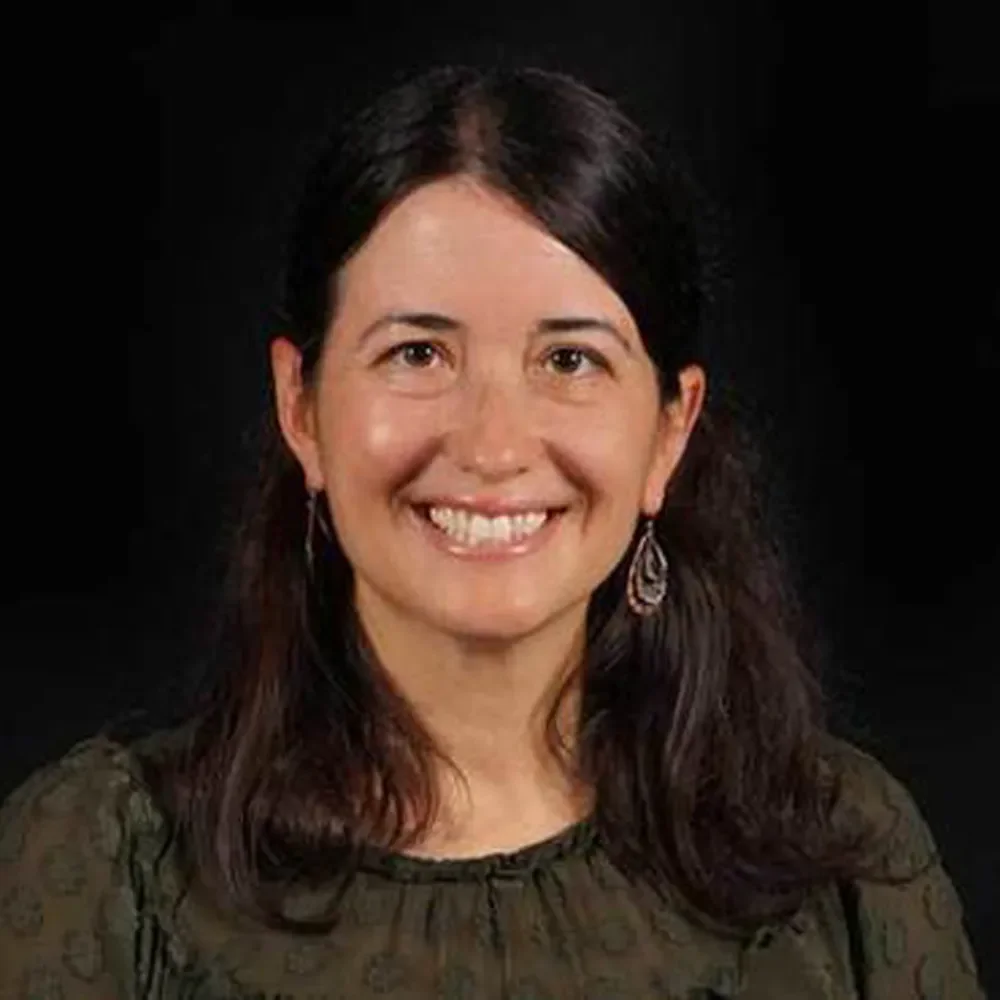
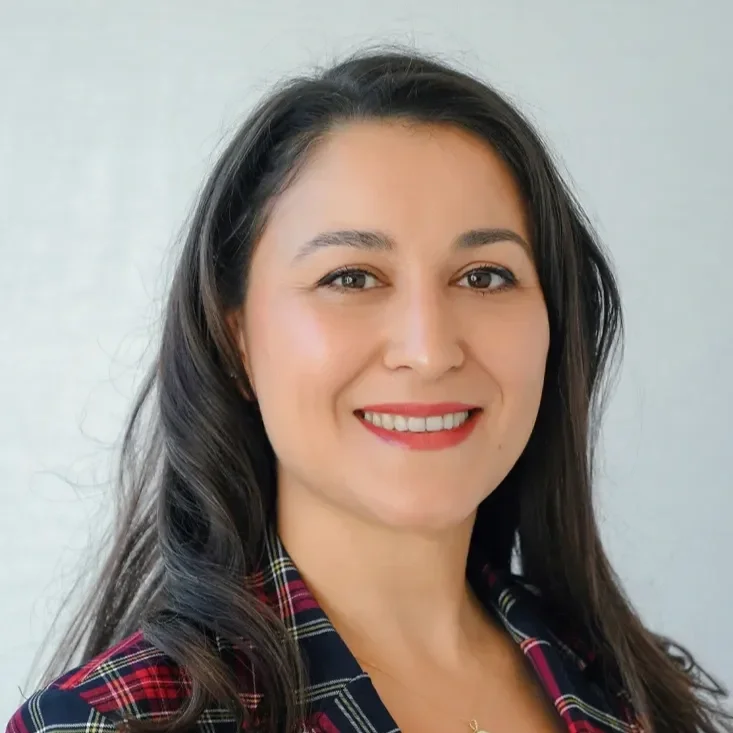
2026 NPATHS Scholars










Section Styles scholar-card-summary
Additional Resources & Evaluation
To support ongoing development, participants will be provided with books and course materials relevant to health services research.
Individual progress is tracked through pre- and post-assessments, and evaluation feedback will be gathered to ensure that the curriculum meets the evolving needs of each cohort.
Course materials and books will be provided to participates during the in-person intensive/workshop.


FAQs
Program-Related FAQs
-
The Nurse Program for Advancing Training in Health and Social Determinants (NPATHS) is a 9-month research training program designed to equip nurse scientists and allied health professionals with the skills to conduct research addressing social determinants of health (SDoH).
-
The program consists of three main components:
A 4-day in-person intensive to foster community and foundational learning.
Monthly online learning modules and webinars (both asynchronous and synchronous).
Mentorship and mentored-research experiences tailored to participants' interests and career goals.
-
The program aims to:
Enhance participants' knowledge of SDoH frameworks and methodologies.
Strengthen their capacity to design, analyze, and disseminate research findings.
Increase the volume and quality of nurse-led research focused on addressing important determinants of health.
-
The in-person intensive will be hosted at Henry Ford Health in Detroit, Michigan. The intensive agenda includes 3 full days (T, W, TH) and a half day on Friday to accommodate afternoon travel plans. For the 2025 cohort, the intensive will be held July 22 - 25th.
-
The end-of-program celebration will be hosted at Michigan State University in East Lansing, Michigan, in April 2026.
-
The program is a collaboration between Henry Ford Health and Michigan State University College of Nursing, leveraging their combined expertise in research, education, and healthcare.
-
The curriculum includes topics such as SDOH fundamentals, multi-level interventions, housing and food concerns, leadership in nursing, and translating research into policy and practice.
Applicant-Related FAQs
-
The program is designed for individuals with a nursing degree (BSN, MSN, PhD, DNP) or related health science degrees. Priority will be given to nurse scientists, but professionals from allied fields such as medicine, social work, psychology, public health, and education may also apply.
-
The program will accept 10-12 participants per cohort.
-
Applicants must submit:
A curriculum vitae (CV) or NIH Biosketch.
A cover letter with essay responses to 3 questions (that can be found on the application page of the website) There is also a cover letter template available for modification.
-
Applications will close in February 2025. Check the program website here for exact dates.
-
All applicants will be notified of their application status in April 2025.
-
There are no costs associated with program participation, other than your time. Travel and accommodation for the in-person intensive and end-of-program celebration will be covered by program funding for non-local participants. Local participants are those who live within an hour's drive of Henry Ford Health (e.g., Ann-Arbor, Detroit-metro region)
All course materials and recommended readings will also be provided. Contact the program team at with any questions.
-
While prior research experience is not required, applicants should demonstrate a strong interest in leading research initiatives and have a clear motivation for participating in the program.
-
Complete the online application form and detailed instructions. All applications will be submitted online.
-
Participants will receive mentorship from experienced program faculty, access to a robust curriculum, and opportunities to develop and disseminate a deliverable, such as a conference abstract, IRB proposal, or manuscript.

Apply to Join
The NPATHS curriculum empowers scholars to contribute meaningfully to health outcomes research by providing a robust foundation in health-related social needs, cultivating professional connections, and equipping early career faculty to lead impactful solutions-focused research.
